Essential Tips for Building Decks and Porches Successfully
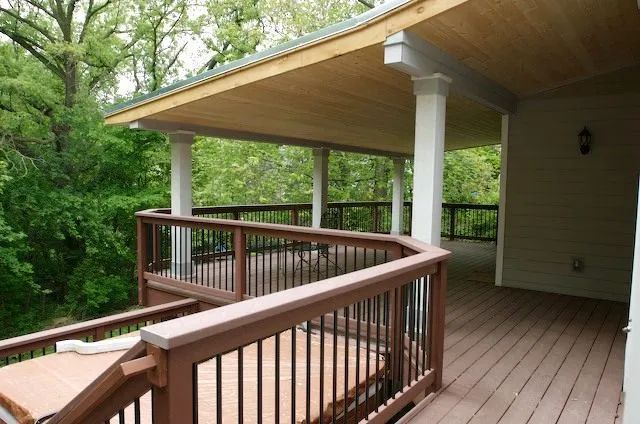
Creating the perfect outdoor living space is more than just adding an extra structure to your home—it’s about enhancing both functionality and aesthetic appeal. Decks and porches have become an integral part of modern residential design, providing homeowners with areas to relax, entertain, and connect with nature. A well-designed deck or porch can significantly increase property value, improve curb appeal, and offer a comfortable extension of indoor living spaces. However, building these structures requires careful planning, precise execution, and attention to industry standards to ensure safety, durability, and long-term enjoyment. For homeowners and builders alike, understanding essential construction practices is critical to achieving successful results.
Whether you are a seasoned contractor or a DIY enthusiast, approaching deck and porch construction with a strategic mindset is crucial. From selecting the right materials and complying with local building codes to designing layouts that complement your home’s architecture, every decision can impact the overall outcome. By focusing on practical guidance, professional insights, and actionable strategies, this blog aims to equip readers with the knowledge needed to execute deck and porch projects with confidence. Following these tips ensures your outdoor spaces remain functional, attractive, and safe for years to come.
Planning and Design Considerations
Understanding Your Space
The first step in building a deck or porch is assessing your property and understanding the space you have available. Consider factors such as yard size, existing landscaping, sun exposure, and privacy. A thorough evaluation helps determine the ideal placement, size, and orientation of your deck or porch. For instance, positioning a deck to face the sunset or away from prevailing winds can enhance usability and comfort. Additionally, accounting for slopes, drainage patterns, and soil conditions ensures structural stability and minimizes long-term maintenance challenges.
Defining Purpose and Functionality
Before construction begins, clearly define the purpose of your deck or porch. Is it primarily for entertaining guests, dining, relaxing, or integrating with a garden? Understanding the intended use guides key design decisions such as seating arrangements, railing placement, and accessibility features. For example, a deck designed for hosting parties may require more open space, while a porch focused on relaxation may prioritize privacy and shade. This level of planning prevents costly modifications later and ensures the structure meets both aesthetic and functional goals.
Design Elements and Aesthetic Choices
Designing a deck or porch involves more than functionality—it also requires aesthetic coherence. Choosing a style that complements your home’s architecture creates a visually pleasing outdoor space. Options range from classic wooden decks and rustic porches to contemporary composite designs with clean lines. Incorporating features such as built-in benches, planter boxes, or pergolas can enhance both appearance and usability. Additionally, planning for lighting, stair placement, and railing height not only improves safety but also contributes to the overall visual appeal. Strategic design planning ensures your deck or porch becomes a seamless extension of your home.
Material Selection and Durability
- Choosing the Right Wood
Wood remains one of the most popular materials for decks and porches due to its natural beauty and versatility. Common choices include cedar, redwood, and pressure-treated pine. Cedar and redwood offer excellent resistance to decay and insect damage while providing a rich, warm appearance. Pressure-treated pine is more cost-effective and widely available but may require regular maintenance such as staining or sealing to prevent weathering. Selecting high-quality, kiln-dried lumber reduces warping and splitting, ensuring a longer-lasting structure.
- Considering Composite and Alternative Materials
Composite decking has gained popularity for its durability and low-maintenance characteristics. Made from a blend of recycled wood fibers and plastic, composites resist rot, fading, and insect damage. While the initial investment may be higher than traditional wood, composite materials often reduce long-term maintenance costs. PVC decking is another alternative, offering waterproof and fade-resistant properties. Choosing the right material depends on factors such as budget, climate, maintenance preference, and desired appearance.nd modular furniture that can adapt to various tasks and projec
- Hardware and Fasteners
High-quality hardware is essential for structural integrity. Stainless steel or coated screws prevent corrosion and increase longevity, particularly in humid or coastal environments. Avoid using nails for structural connections, as screws provide a more secure and durable fastening method. Additionally, consider brackets, joist hangers, and post anchors rated for outdoor use to ensure stability and safety.
Construction Best Practices
Preparing the Foundation
A solid foundation is critical for deck and porch longevity. Depending on the structure and local soil conditions, foundations can include concrete piers, footings, or pressure-treated posts anchored into the ground. Ensuring proper leveling and alignment at this stage prevents uneven surfaces and structural stress. Incorporating adequate drainage around the foundation also reduces the risk of water damage and wood decay.
Framing and Structural Integrity
The framing stage determines the strength and stability of your deck or porch. Use correctly spaced joists and beams according to industry standards and local building codes. Cross-bracing may be necessary for larger decks to prevent lateral movement. For porches, load-bearing beams must support both roof weight and environmental loads, including snow or wind. Precise measurements, level installation, and proper fastening methods are crucial to prevent sagging and uneven surfaces.
Surface Installation and Finishing
Deck boards or porch flooring should be installed with proper spacing to allow for expansion and water drainage. Consider the orientation of boards for aesthetic appeal and wear resistance. Finishing techniques such as sealing, staining, or applying protective coatings enhance longevity, protect against weathering, and maintain visual appeal. Regular inspection during construction ensures boards are aligned, fasteners are secure, and the surface remains even.
Safety and Compliance
Compliance with local building codes is mandatory. Ensure railings meet height requirements, stair risers and treads are consistent, and load capacities adhere to standards. Installing non-slip surfaces, especially in areas exposed to moisture, reduces accident risks. Consulting with local authorities or a licensed contractor helps prevent violations that could lead to fines or costly modifications later.
Maintenance and Longevity
- Regular Cleaning and Inspection
Routine maintenance significantly extends the lifespan of your deck or porch while preserving its aesthetic appeal. Sweep debris regularly, wash surfaces with mild detergents, and inspect carefully for signs of rot, cracks, or loose fasteners. Timely repairs and attention to small issues prevent minor problems from escalating into major structural failures, ensuring your outdoor space remains safe and enjoyable for family and guests over the years.
- Protective Treatments
Applying quality sealants or stains every few years helps preserve wood integrity, protect against weathering, and enhance visual appearance. For composite materials, periodic cleaning using specialized solutions removes dirt, mildew, and surface discoloration effectively. Protective treatments are particularly crucial in regions with extreme weather, high humidity, or heavy rainfall, as these conditions accelerate wear and deterioration if not properly addressed.
- Seasonal Considerations
Seasonal care, such as timely snow removal, leaf clearing, or pruning nearby trees, reduces stress on structures and prevents long-term damage. Adjusting maintenance routines according to seasonal climate changes ensures both durability and safe usage throughout the year. Proper attention to seasonal factors also helps maintain the structural integrity and aesthetic quality of decks and porches over decades.
Enhancing Functionality and Aesthetics
Integrating Accessories
Incorporating thoughtful accessories like lighting, seating, and decorative planters improves both functionality and overall visual appeal. Recessed lighting, solar options, or ambient fixtures enhance evening usability, while built-in benches, tables, or storage solutions maximize space efficiency and convenience. Carefully chosen accessories can also create inviting outdoor environments that encourage social gatherings, relaxation, and extended enjoyment of your deck or porch.
Blending with Landscaping
A deck or porch should seamlessly complement surrounding landscaping, enhancing both aesthetics and property value. Consider pathways, garden beds, ornamental greenery, and carefully placed shrubs that harmonize with the structure. Proper integration with outdoor elements improves curb appeal, creates a cohesive environment, and ensures that the deck or porch feels like a natural extension of your home rather than a separate addition.
Future-Proofing Designs
Planning for future needs, such as installing outdoor kitchens, pergolas, or retractable awnings, ensures your deck or porch remains adaptable for evolving lifestyle requirements. Modular designs, expandable layouts, or reinforced foundations allow homeowners to upgrade without extensive reconstruction or additional costs. Forward-thinking design choices help maintain long-term usability and allow your outdoor space to accommodate changing preferences over time.
Seasoned Experts Delivering Quality Outdoor Transformations
Building a deck or porch is a substantial investment that enhances outdoor living, improves property value, and elevates the overall home experience. Success depends on careful planning, material selection, construction best practices, and ongoing maintenance. By considering space functionality, design aesthetics, and structural integrity, homeowners can create outdoor areas that are both beautiful and durable. Attention to detail, compliance with building codes, and strategic integration with landscaping further contribute to the longevity and appeal of these structures.
At TLC Remodeling, we specialize in residential home remodeling and renovation services in Golden Valley, Minnesota, with over 36
years of experience. Our team understands the nuances of deck and porch construction and provides expert guidance to ensure every project meets the highest standards of safety, durability, and design excellence. From initial planning to final finishing touches, we deliver personalized solutions tailored to your home and lifestyle. Partnering with TLC Remodeling
guarantees a reliable, professional, and trusted approach to transforming your outdoor living spaces into functional and visually striking extensions of your home.