Top Trends to Transform Your Custom Kitchen Effectively
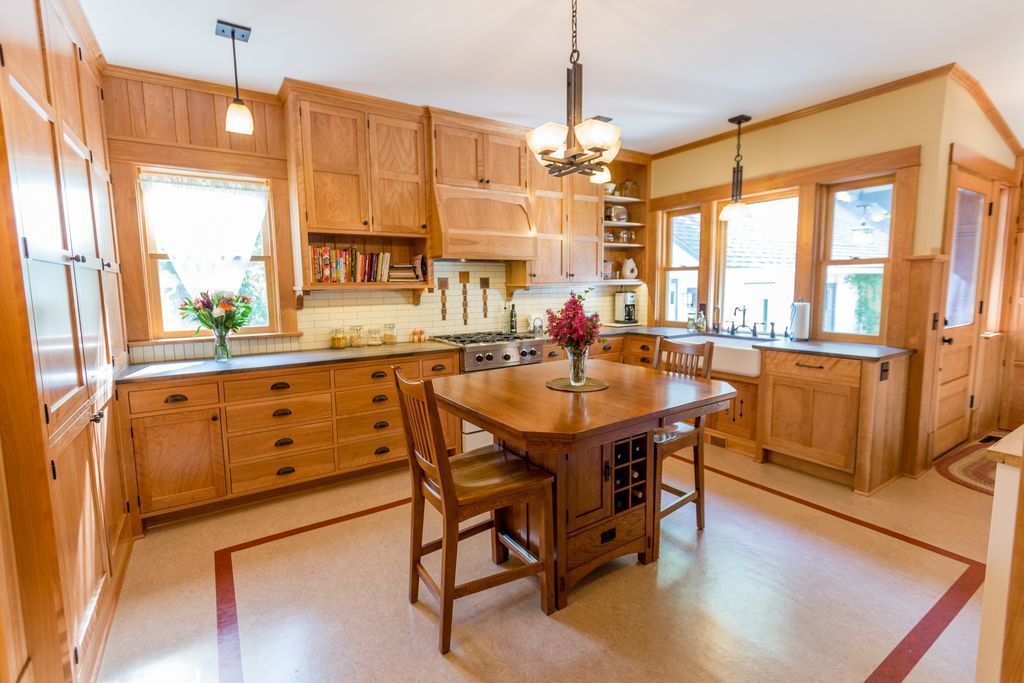
In today’s fast-paced world, the kitchen has evolved far beyond a simple cooking space; it has become the heart of the home. A well-designed custom kitchen not only enhances functionality but also reflects personal style, making it a central hub for family interaction, entertaining guests, and culinary creativity. With the rise of open floor plans and smart home technologies, homeowners are increasingly seeking innovative ways to elevate their kitchens, blending aesthetic appeal with cutting-edge efficiency. Understanding the latest trends in custom kitchen design is essential for anyone looking to maximize both space and style while ensuring long-term value for their home.
As homeowners grow more discerning about their spaces, trends in custom kitchens continue to prioritize smart layouts, sustainable materials, and high-tech solutions. From multi-functional islands to energy-efficient appliances, the emphasis is on creating spaces that are not only visually striking but also highly practical. This article explores the top trends shaping custom kitchens today, offering actionable insights for homeowners, interior designers, and remodeling professionals. By integrating these trends thoughtfully, you can transform your kitchen into a space that balances modern convenience with timeless appeal, ultimately creating a room that inspires creativity, enhances lifestyle, and adds significant value to your property.
1. Smart Kitchen Technology
Integrating Smart Appliances
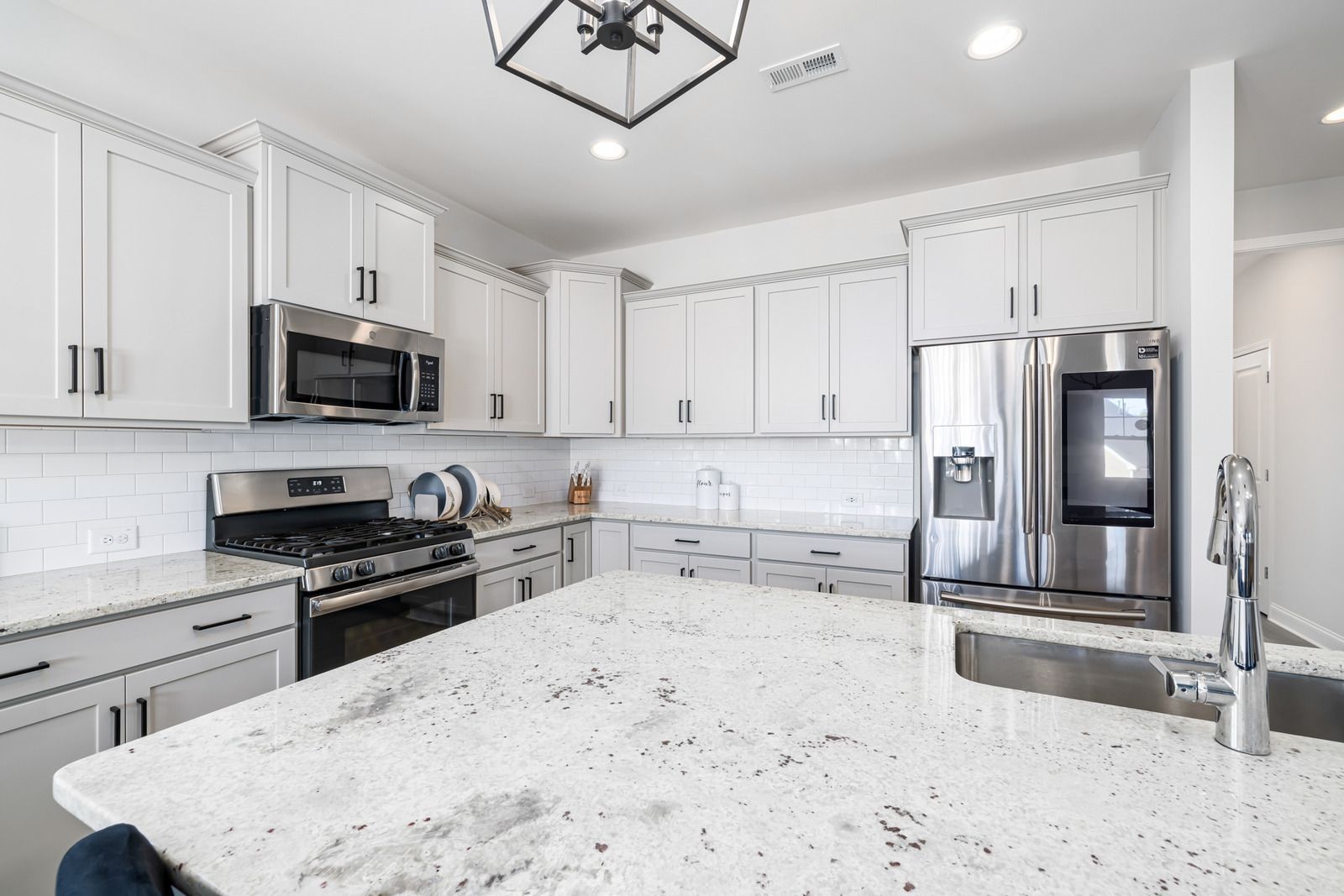
Modern kitchens increasingly rely on smart appliances that enhance efficiency, convenience, and overall home automation. From Wi-Fi-enabled ovens and refrigerators to voice-controlled faucets and smart lighting systems, these devices allow homeowners to monitor and control their kitchen remotely. For example, smart refrigerators can track grocery inventory, suggest recipes based on available ingredients, and even alert you when items are nearing expiration or require replacement. Integrating such technology not only simplifies daily routines but also reduces waste and energy consumption, aligning with sustainable living practices and promoting a more organized household environment.
Benefits of Smart Home Integration
Smart kitchens offer more than just convenience—they significantly improve safety, comfort, and energy efficiency. Motion-sensor lighting, automatic ventilation systems, and smart fire alarms contribute to a safer cooking environment and reduce the risk of accidents. Moreover, energy-efficient appliances connected to smart hubs help track electricity usage, promoting long-term cost savings over time. Homeowners can also integrate these systems with broader smart home networks, enabling synchronized lighting, climate control, and entertainment options within the kitchen for a truly seamless living experience.
Best Practices for Implementation
When introducing smart technology, it’s crucial to prioritize compatibility, ease of use, and future-proofing. Choosing devices that work seamlessly together prevents technical frustrations and ensures long-term reliability and smooth daily operations. Consulting with experts during the design phase can help identify the most effective placements for smart appliances, optimizing workflow while maintaining a sleek, uncluttered, and highly functional kitchen appearance.
2. Functional and Multi-Purpose Layouts
- Open-Concept Designs
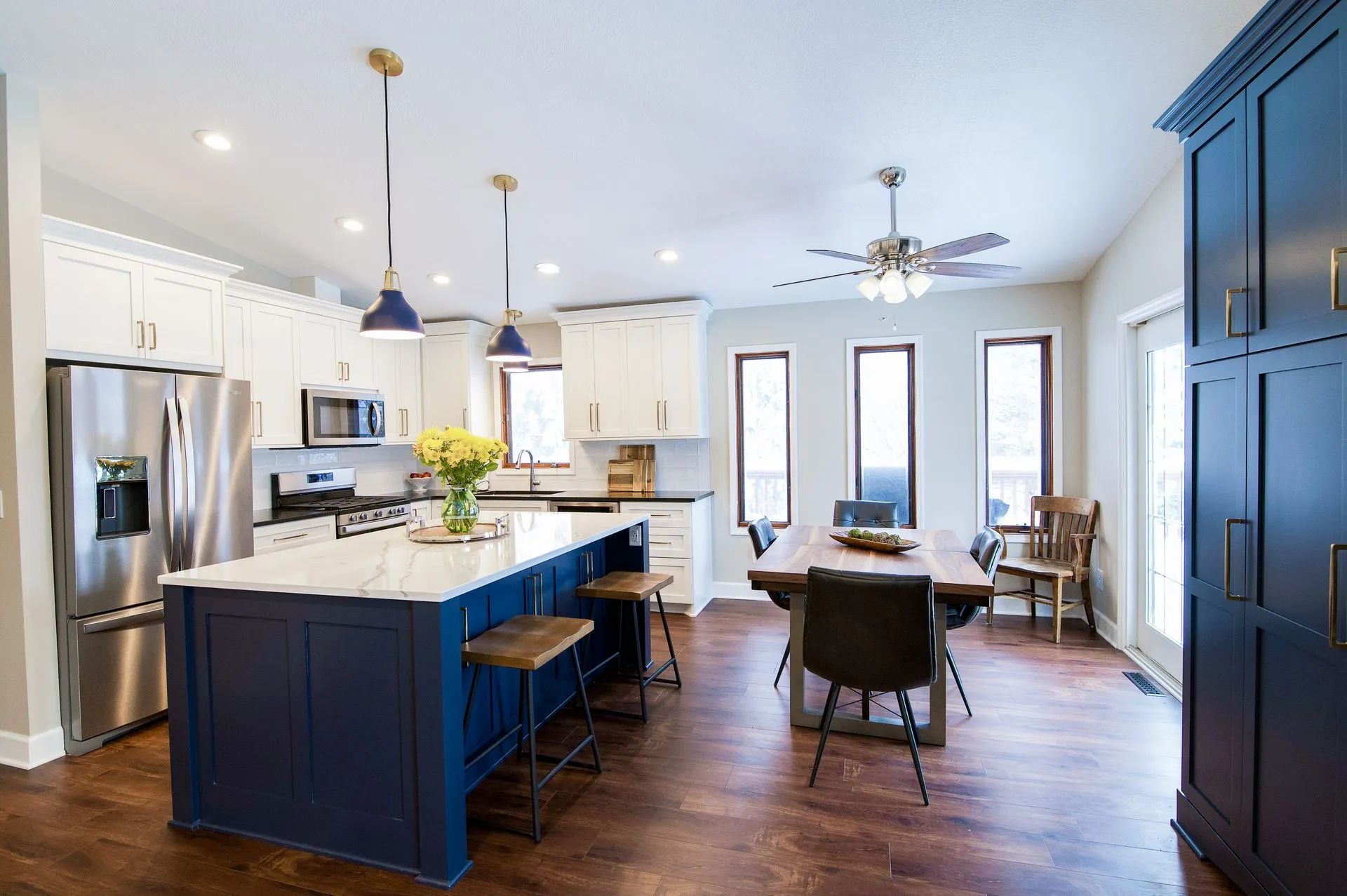
Open-concept layouts remain popular for custom kitchens, promoting a sense of spaciousness, visual flow, and interaction between the kitchen, dining, and living areas. Removing unnecessary walls creates a more inclusive environment where cooking, entertaining, and socializing happen simultaneously without barriers. This layout also allows for larger islands and versatile seating arrangements, making the kitchen more functional for families, casual gatherings, and hosting larger parties.
- Multi-Functional Islands
Kitchen islands are no longer limited to prep work; they serve as dining areas, storage units, and even workstations for homework or remote tasks. Features like built-in sinks, wine coolers, induction cooktops, and under-counter storage can transform an island into a central hub for multiple daily activities. For smaller kitchens, islands with movable sections or adjustable heights provide adaptability without sacrificing valuable space or aesthetic appeal.nd modular furniture that can adapt to various tasks and projec
- Challenges and Considerations
While open-concept kitchens are appealing, they can pose challenges, such as limited wall space for cabinetry and potential noise disruption from adjacent living areas. Effective planning, including strategic placement of appliances, storage solutions, and sound-absorbing materials, ensures that functionality is maximized without compromising design quality or workflow efficiency in busy households.
3. Sustainable and Eco-Friendly Materials
Popular Eco-Friendly Materials
Sustainability is a key trend in modern kitchens, with homeowners seeking materials that are both durable, environmentally responsible, and visually appealing. Bamboo cabinetry, recycled glass countertops, reclaimed wood flooring, and cork accents are gaining popularity due to their aesthetic appeal, minimal environmental impact, and long-term reliability. Low-VOC paints and finishes also contribute to healthier indoor air quality, making kitchens safer, more comfortable, and ideal for households with children or sensitive individuals.
Benefits of Sustainable Choices
Investing in eco-friendly materials provides long-term benefits, including durability, reduced maintenance, energy efficiency, and enhanced home value. For example, countertops made from recycled materials often resist stains, heat, and scratches better than conventional options, while energy-efficient lighting and appliances reduce utility bills. Sustainability also appeals to environmentally conscious buyers, enhancing property value if the home is ever sold or listed in a competitive market.
Expert Tips for Implementation
When selecting eco-friendly materials, consider durability, cost, maintenance requirements, and overall aesthetic appeal. Combining sustainable choices with stylish, functional designs ensures the kitchen remains modern, elegant, and practical. Collaborating with designers who specialize in green building practices can help optimize material selection while achieving a cohesive, harmonious look that balances sustainability with timeless appeal.
4. Statement Lighting and Fixtures
- Layered Lighting Strategies
Lighting in custom kitchens is both functional and decorative, playing a key role in ambiance and visibility. Layered lighting—comprising ambient, task, and accent lighting—enhances workflow, highlights design elements, and improves the overall experience of the kitchen. Pendant lights over islands, under-cabinet LED strips, and recessed ceiling fixtures create a balanced, visually appealing atmosphere while ensuring sufficient illumination for cooking, entertaining, and family activities.
- Bold Fixtures as Design Statements
Statement fixtures, such as oversized chandeliers, geometric pendants, or artisanal sconces, add personality, sophistication, and uniqueness to the kitchen. These elements often serve as focal points, elevating the overall design without requiring extensive remodeling or large structural changes. Choosing materials like brushed brass, matte black, or copper finishes can further enhance the kitchen’s aesthetic appeal and complement other design components seamlessly.
- Best Practices
Select lighting that complements other design elements, such as cabinetry, countertops, and flooring, and consider dimmable options to create adaptable moods for different occasions. For energy efficiency, prioritize LED fixtures, which consume less electricity, offer longer lifespans, and reduce maintenance costs. Proper placement of lighting also minimizes shadows on work surfaces, improving safety, accuracy, and ease of use.
5. Custom Cabinetry and Storage Solutions
Tailored Storage Options
Custom cabinetry is essential in maximizing kitchen efficiency, storage capacity, and overall organization. Pull-out drawers, spice racks, built-in organizers, and deep pantry shelves optimize space while keeping the kitchen clutter-free and visually appealing. For small kitchens, vertical storage solutions, corner drawers, and cleverly hidden compartments make use of every inch effectively, ensuring that even compact areas remain highly functional.
Innovative Design Features
Soft-close drawers, hidden trash compartments, pull-out cutting boards, and appliance garages are increasingly popular in high-end custom kitchens. These features not only improve functionality but also maintain a clean, streamlined appearance that enhances the overall aesthetic. For luxury kitchens, glass-front cabinets or open shelving can showcase dishware, decorative items, and collectibles, blending practicality with personalized style effortlessly.
Implementation Considerations
When designing custom cabinetry, focus on workflow, ergonomics, storage efficiency, and visual aesthetics. Cabinets should complement the kitchen’s overall design while facilitating easy access to frequently used items and reducing unnecessary bending or reaching. Partnering with skilled craftsmen ensures precision, durability, and attention to detail, which are critical in high-quality, long-lasting custom kitchens.
6. Color Trends and Finishes
- Contemporary Color Palettes
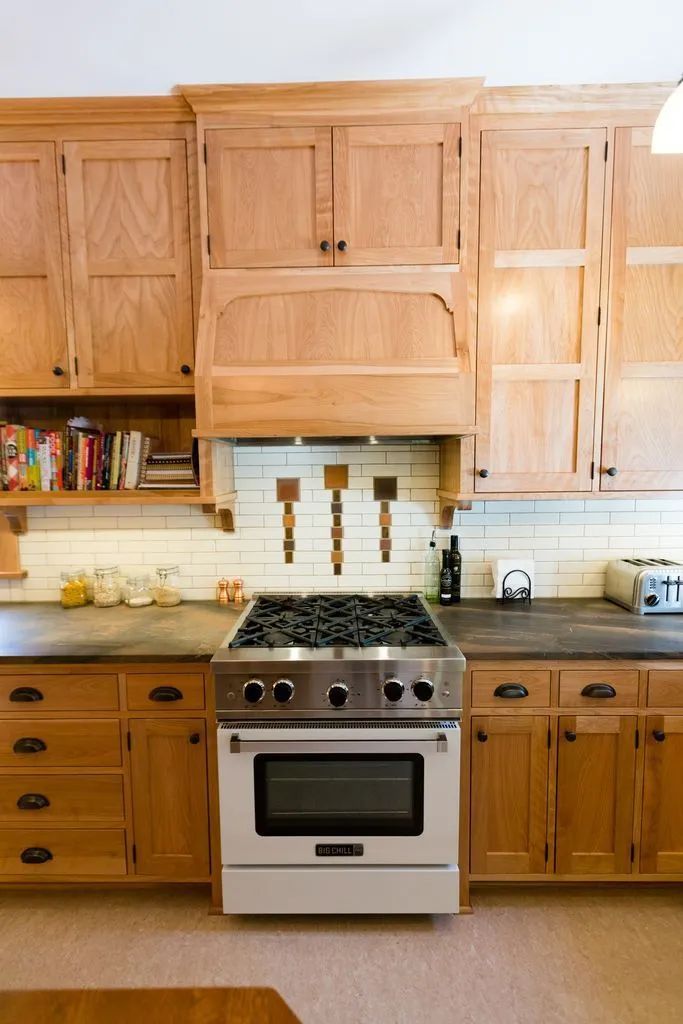
Current kitchen trends favor neutral tones with bold accent colors, creating spaces that are modern, timeless, and versatile. Shades of white, gray, beige, and taupe provide a neutral backdrop, while deep blues, forest greens, matte blacks, and jewel tones add depth, drama, and sophistication. Contrasting cabinet finishes, such as combining warm wood tones with painted surfaces, create visual interest without overwhelming the space or compromising harmony.
- Textures and Finishes
Mixing textures, including matte, glossy, and natural wood finishes, enhances the sensory appeal, depth, and character of a kitchen. Textured backsplashes, stone countertops, and metallic hardware contribute to a layered, dynamic look that feels both refined and inviting. Matte finishes reduce glare and fingerprints, while glossy surfaces reflect light, creating a sense of spaciousness and elegance throughout the kitchen.
- Best Practices for Color Implementation
Select colors and finishes that harmonize with flooring, countertops, appliances, and overall home decor. Using complementary accent details, such as colored knobs, handles, or backsplash tiles, can add personality without compromising cohesiveness. Testing samples in both natural and artificial light ensures the final palette achieves the desired effect at all times of day, maintaining consistency and visual appeal.
Essential Insights to Transform Your Kitchen Effectively
Transforming a custom kitchen requires thoughtful integration of design trends, technology, and functionality. From smart appliances and open-concept layouts to eco-friendly materials, statement lighting, and tailored cabinetry, each element plays a critical role in creating a space that is both practical and visually stunning. Understanding these trends allows homeowners to make informed decisions, enhancing their kitchen’s efficiency, comfort, and long-term value.
At TLC Remodeling, based in Golden Valley, Minnesota, we leverage 36
years of experience to deliver
custom kitchen solutions
tailored to each client’s unique needs. Our team specializes in creating spaces that seamlessly blend style and functionality, using the latest design trends and high-quality materials. Whether you are envisioning a contemporary, sustainable, or technologically advanced kitchen, TLC Remodeling
ensures every detail is meticulously crafted. Our commitment to excellence and personalized approach makes us a trusted partner for homeowners looking to transform their kitchens into remarkable, high-performing spaces that truly reflect their lifestyle.