Your First 90 Days in a New Kitchen: How to Care for Your Remodel & Get the Most From It
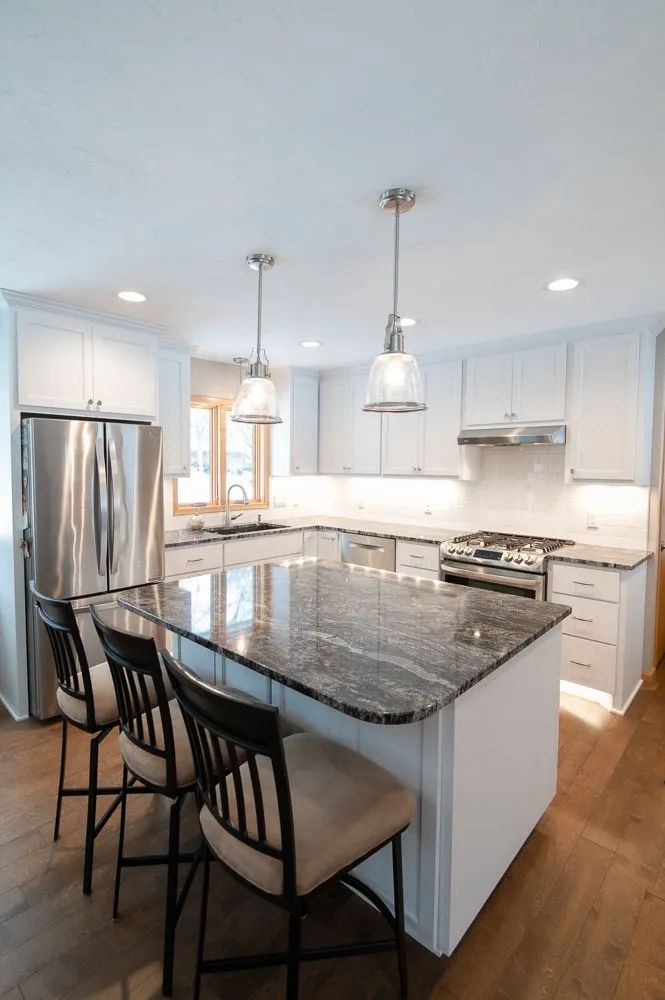
A newly remodeled kitchen brings more than updated cabinets, countertops, and appliances. It transforms how a home functions every day by improving organization, efficiency, comfort, and overall property value. After months of planning, design selections, budgeting, and construction, homeowners are often eager to start enjoying the space immediately. However, the first 90 days after a kitchen remodel are also one of the most important periods for protecting the investment and helping every feature perform as intended. Materials are still settling, appliances are being adjusted to new usage patterns, and homeowners are learning how to maintain surfaces that may require different care methods than older kitchens. Proper maintenance during this transition helps preserve appearance, prevent avoidable damage, and extend the lifespan of the remodel.
Many homeowners focus heavily on the construction process but overlook what happens after the final walkthrough. Daily habits, cleaning products, moisture control, storage organization, and appliance maintenance all influence how well a remodeled kitchen holds up over time. Small mistakes during the first few months can create unnecessary wear on cabinetry, flooring, hardware, and countertops. Understanding how to care for every part of the remodel helps homeowners avoid costly repairs while maximizing functionality and long-term satisfaction. A thoughtful approach during the first 90 days ensures the kitchen continues looking beautiful while supporting everyday living for years ahead.
Understand How New Materials Settle and Adjust
Allow Cabinets, Countertops, and Flooring to Acclimate
Newly installed kitchen materials go through a natural settling process after installation. Wood cabinetry may expand or contract slightly as humidity levels change. Hardwood flooring can shift during seasonal temperature changes, while caulking around backsplashes and sinks may need minor touch-ups after settling. These adjustments are normal and do not necessarily indicate poor workmanship.
Homeowners should monitor changes carefully during the first few months. Small gaps near trim or slight cabinet door misalignment can often be corrected quickly before larger problems develop. Avoid placing excessive weight on floating shelves or newly mounted cabinetry during the first few weeks while everything stabilizes.
Indoor climate control also plays a major role in protecting new materials. Maintaining balanced humidity levels helps reduce stress on wood surfaces and prevents unnecessary expansion or shrinking. Consistent indoor temperatures create a more stable environment for flooring, countertops, and cabinetry.
Schedule Follow-Up Inspections if Needed
Many remodeling projects include a warranty period or post-installation inspection. The first 90 days provide an ideal opportunity to identify minor adjustments that may be necessary after regular use begins. Cabinet hinges may require tightening, drawers may need alignment adjustments, or plumbing connections may need inspection after repeated use.
Keeping a running list of concerns helps streamline communication and ensures small issues are addressed before becoming larger repair problems. Homeowners who remain proactive during this period often protect the long-term quality of the remodel more successfully.
Protect Your Countertops and Surfaces From Early Damage
- Use Proper Cleaning Products for Each Surface
Every countertop material requires specific care methods. Quartz, granite, butcher block, marble, laminate, and solid-surface countertops all respond differently to cleaning chemicals, heat exposure, and moisture. Using harsh cleaners during the first few months can dull finishes, weaken sealants, or create staining issues.
Mild soap, warm water, and microfiber cloths are usually the safest choices for daily cleaning. Acidic cleaners should be avoided on natural stone surfaces because they may damage protective sealants or etch the surface. Abrasive scrubbers can also leave scratches that permanently affect appearance.
Homeowners transitioning from older kitchens sometimes continue using familiar cleaning products without realizing newer materials require different care routines. Reading manufacturer care guidelines carefully helps prevent avoidable damage.
- Prevent Heat and Moisture Exposure
New countertops and cabinetry benefit from added protection during the first 90 days. Trivets, cutting boards, and hot pads help shield surfaces from heat damage and scratches. Steam from dishwashers, slow cookers, and coffee machines should not be directed toward cabinetry or backsplash seams for extended periods.
Water exposure near sink edges and seams should also be monitored carefully. Even moisture-resistant materials can deteriorate over time if standing water becomes a regular issue. Wiping spills quickly helps preserve finishes and prevent swelling around vulnerable joints.
For example, homeowners who place hot pans directly onto quartz countertops may experience discoloration or thermal cracking. Small preventive habits preserve both appearance and durability.
Create Maintenance Habits That Protect Your Investment
Establish a Weekly Maintenance Routine
A kitchen remodel represents a significant financial investment, and regular maintenance plays a major role in protecting that value. The first 90 days are the perfect time to establish routines that become long-term habits.
Weekly maintenance should include:
- Cleaning cabinet surfaces with non-abrasive products
- Checking sink areas for moisture buildup
- Inspecting grout lines and caulking
- Emptying crumbs from drawer tracks
- Wiping appliance seals and handles
- Vacuuming beneath movable kitchen furniture
These small maintenance tasks help preserve both cleanliness and functionality. Kitchens experience heavy daily traffic, and minor neglect can gradually create long-term wear.
Pay Attention to Ventilation and Air Quality
Proper ventilation is especially important in newly remodeled kitchens. Cooking moisture, grease particles, and heat can affect cabinetry, paint finishes, and indoor air quality. Range hoods should be used consistently during cooking to reduce buildup on surrounding surfaces.
Air circulation also helps preserve paint, wood finishes, and ceiling materials. Excess moisture trapped in kitchens can contribute to peeling finishes or mold growth around sinks and windows. Changing ventilation filters regularly improves airflow and helps appliances perform better.
Many homeowners underestimate how much grease and moisture accumulate during daily cooking. Strong ventilation habits help maintain the clean appearance of the remodel while protecting long-term material performance.
Optimize Kitchen Organization for Daily Functionality
- Fine-Tune Storage Systems After Daily Use
The first 90 days provide valuable insight into how the remodeled kitchen functions during real-life routines. Homeowners often discover opportunities to improve organization once cooking, cleaning, and storage patterns become clearer.
Drawer organizers, pull-out shelves, pantry systems, and cabinet zones may need adjustments based on actual usage. Frequently used cookware should remain easily accessible, while seasonal items can move to secondary storage areas.
Efficient organization reduces clutter, improves workflow, and minimizes wear caused by unnecessary movement or overcrowding. A kitchen that functions smoothly supports both convenience and long-term maintenance.
- Protect High-Traffic Areas From Wear
Some areas naturally experience more activity than others. Flooring near sinks, refrigerators, and cooking zones often shows wear first. Adding protective mats in key locations can reduce scratches, moisture exposure, and foot traffic damage.
Cabinet handles and touchpoints should also be cleaned regularly because oils from hands gradually affect finishes. Soft-close systems should not be forced shut, and drawer weight limits should be respected to maintain smooth operation.
Families with children or pets may need additional precautions to protect cabinetry corners, lower drawers, and flooring surfaces during daily activity. Preventive care helps maintain the remodel’s appearance even in busy households.
Monitor Plumbing, Electrical, and Structural Performance
Watch for Early Signs of Plumbing Problems
Even professionally installed plumbing systems should be monitored carefully during the first few months. Homeowners should periodically inspect beneath sinks, around dishwasher connections, and near refrigerator water lines for signs of leaks or condensation.
Small plumbing issues caught early are far easier and less expensive to repair than hidden water damage. Moisture beneath cabinetry can lead to swelling, staining, mold growth, or flooring deterioration if ignored.
Water pressure, drainage speed, and unusual noises should also be monitored. Addressing concerns quickly protects both structural materials and appliance performance.
Stay Alert to Electrical and Lighting Concerns
New kitchens often include upgraded lighting systems, outlets, under-cabinet lighting, and smart electrical features. Flickering lights, warm outlets, or tripping breakers should never be ignored.
Homeowners should also learn how lighting zones, dimmers, and smart controls function to maximize convenience and energy savings. Proper use of task lighting improves visibility during cooking while reducing strain on overhead fixtures.
Periodic inspection of electrical systems ensures the remodel continues operating safely while supporting modern kitchen demands.
Trusted Renovation Experience Helping Homeowners Protect Kitchen Investments
A kitchen remodel should continue delivering comfort, efficiency, and value long after construction ends. The first 90 days are critical because daily habits established during this period often determine how well the space performs over the next several years. Homeowners who invest time in learning maintenance routines, protecting materials, monitoring systems, and improving organization usually experience fewer repair issues and greater long-term satisfaction. Proper care not only preserves appearance but also helps appliances, cabinetry, countertops, and flooring maintain their functionality under regular use.
At TLC Remodeling, we understand that successful remodeling extends beyond installation day. With more than 36
years of experience in residential home remodeling and renovation services, we help homeowners create kitchens designed for lasting performance, beauty, and everyday practicality. Our approach focuses on craftsmanship, durable materials, thoughtful layouts, and long-term homeowner support so every remodeling investment continues delivering value. From cabinetry and countertops to flooring, lighting, and custom kitchen solutions, we prioritize quality work that supports real-life functionality. Homeowners throughout Golden Valley, Minnesota, trust us for remodeling guidance built on experience, attention to detail, and a strong commitment to lasting results that continue improving the home well beyond the first 90 days.