Refinish or Replace? The Real Difference Between Tired Kitchen Cabinets and Failing Kitchen Cabinets
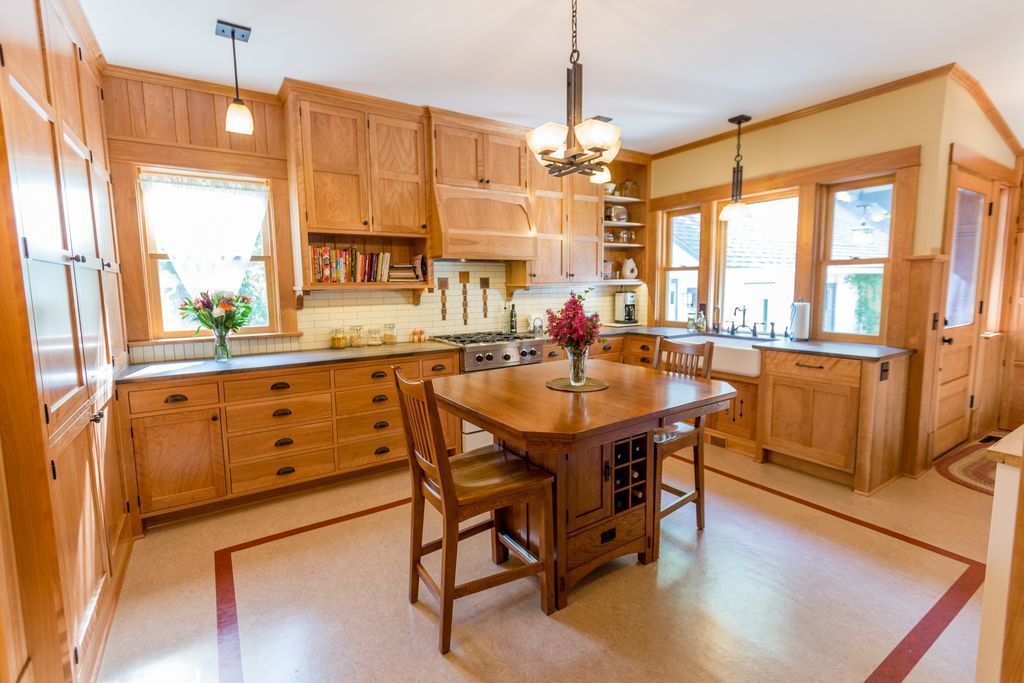
Kitchen cabinets take more daily abuse than almost any other surface in a home. Doors open and close hundreds of times each week. Grease, steam, and moisture settle into every crevice. Handles get yanked. Finishes fade. Over years of regular use, even well-built cabinets start to show their age, and that is when most homeowners face one of the most common remodeling decisions: should these cabinets be refinished or replaced entirely?
The answer is not always obvious, and making the wrong call can lead to wasted effort or unnecessary spending. A cabinet that looks worn may still have years of structural life left in it. On the other hand, a cabinet that looks passable on the surface may have hidden damage that no amount of fresh paint or new hardware can fix. Understanding the real difference between a cabinet that is simply tired and one that is genuinely failing is the foundation of any smart kitchen renovation decision. This blog breaks down how to read the signs, what each option involves, and how to choose the path that actually serves your kitchen long term.
What Does "Tired" Actually Mean for Kitchen Cabinets?
The Look of Age Versus the Feel of Failure
Tired cabinets are ones that have aged visually but retained their structural integrity. The wood or wood composite box behind the door is still sound, the joints are still tight, and the drawers still slide without binding. What has changed is the surface: paint has yellowed, stain has faded, finish has dulled, or the style simply looks outdated compared to current kitchen trends.
Common signs of tired cabinets include:
- Finish discoloration from years of cooking fumes and cleaning products
- Visible scratches and scuffs concentrated around handles and hinges
- Slightly dated door profiles or hardware styles
- Surface grime buildup that deep cleaning alone cannot remove
- Finish peeling at edges due to moisture exposure over time
None of these issues compromise how the cabinets function. They are cosmetic, which means a skilled refinishing job can restore them to a condition that looks and performs far better than the years would suggest.
Why Refinishing Works for Tired Cabinets
Refinishing involves stripping the existing finish, repairing minor surface damage, and applying fresh paint, stain, or a clear topcoat. When the box structure is solid and the doors are still true and warp-free, refinishing is a highly practical option. It preserves the existing layout, avoids the disruption of a full cabinet tearout, and produces a dramatically improved visual result.
Solid wood and plywood cabinet boxes respond especially well to refinishing. They accept paint and stain predictably, and they hold up under the prep work required to get a smooth finish.
What Does "Failing" Actually Mean for Kitchen Cabinets?
Structural Damage That Goes Deeper Than the Surface
A failing cabinet is one where the core material or construction has broken down in a way that cannot be corrected through refinishing. Paint and stain sit on top of a surface. When that surface is rotting, warped, crumbling, or delaminating, there is nothing beneath the finish to hold it or support the cabinet's function.
| Condition | Tired or Failing? | Recommended Path |
|---|---|---|
| Faded or peeling finish | Tired | Refinish |
| Scratches and scuffs | Tired | Refinish |
| Outdated style | Tired | Refinish or reface |
| Warped or twisted doors | Failing | Replace doors or full cabinet |
| Soft or spongy wood (rot) | Failing | Replace |
| Particle board swelling | Failing | Replace |
| Broken box joints | Failing | Replace |
| Drawer slides completely failed | Varies | Replace hardware or full cabinet |
Signs a Cabinet Has Crossed Into Failing Territory
Water damage is the single most common cause of cabinet failure. Cabinets beneath sinks, near dishwashers, or along exterior walls are the most vulnerable. When water infiltrates particle board or MDF over time, the material swells, loses its density, and begins to crumble. A cabinet box that feels soft or spongy when you press on it, or one where the shelf is visibly bowing under normal weight, has already lost structural integrity.
Delamination is another clear failure signal. This happens when the laminate surface separates from the substrate beneath it, typically at corners and edges. Once delamination begins, refinishing cannot bond reliably to the surface, and the damage tends to spread.
Warped doors and drawer fronts are sometimes cosmetic but often indicate moisture cycling inside the cabinet box itself. If the frames they attach to are also twisted, replacement is the more reliable fix.
The Role of Cabinet Box Material in the Decision
Why What Your Cabinets Are Made Of Changes Everything
Not all cabinets are built from the same materials, and that distinction plays a major role in whether refinishing is viable. Solid wood and plywood are the most refinish-friendly substrates because they are dimensionally stable, accept sanding well, and hold finish without breaking down. Most cabinets built before the mid-1980s used solid wood frames and plywood boxes, which is why older kitchens often respond so well to refinishing.
Medium density fiberboard and particle board, which became more common in budget-oriented cabinetry from the 1990s onward, are more vulnerable. They absorb moisture readily, they do not sand as cleanly, and once they swell or chip at edges, they rarely take paint without visible surface imperfections showing through. Refinishing is possible in light cases, but the result is rarely as clean or as durable as it would be on a plywood or solid wood box.
Understanding what your cabinets are made of before making any decisions is essential. A quick inspection of the interior box, shelf edges, and drawer sides will usually tell you whether you are working with plywood or particle board.
When Cabinet Refacing Is the Middle Path
A Third Option Worth Considering
Refinishing replaces the surface finish. Full replacement replaces everything. Refacing sits between those two options: it keeps the existing box structure in place but replaces the door fronts, drawer fronts, and applies a new veneer or laminate to all visible exterior surfaces.
Refacing makes sense when:
- The cabinet boxes are structurally sound but beyond refinishing quality
- The door style is too dated for a simple paint refresh to overcome visually
- The kitchen layout works well and does not need to change
- The hinge and drawer slide hardware needs full replacement
Refacing gives the kitchen a genuine visual transformation while avoiding the labor and disruption of a complete cabinet tearout and rebuild. It also allows for new door profiles and hardware choices that can move a kitchen into a completely different design era.
Making the Final Call — A Practical Assessment Process
How to Evaluate Your Cabinets Room by Room
Before calling for any work, a careful inspection of each cabinet run gives you real information to work with. Start by pressing firmly on cabinet box sides, bottoms, and shelves. Solid and firm means the substrate is intact. Soft, spongy, or crumbling under pressure means structural failure.
Next, open every door and drawer and look at the interior corners and the area directly beneath the sink. Check for discoloration, swelling at edges, or visible separation between layers of material. Pull out a shelf and flex it slightly. A shelf that bends noticeably under light pressure has lost its load-bearing density.
Check door alignment by closing every door fully and looking at the reveal, which is the gap between the door edge and the cabinet frame. Doors that have drifted significantly out of alignment sometimes signal that the box frame itself has racked or shifted.
Finally, inspect the finish itself. Peeling that is confined to edges and high-contact areas is typical wear. Peeling that is widespread across flat door surfaces or that has created bubbles beneath the finish often means the substrate beneath has moisture issues that will continue to cause problems.
Once this inspection is complete, you will have a much clearer picture of how many of your cabinets are genuinely tired versus how many have crossed into structural failure.
Seasoned Remodeling Professionals Ready to Assess Your Cabinets
Kitchen cabinet refinishing decisions come down to an honest reading of the evidence. Tired cabinets with cosmetic wear and sound structure are excellent candidates for professional cabinet refinishing or reliable cabinet refacing, while failing cabinets with rotted, warped, or delaminated substrates require expert cabinet replacement. Choosing the right solution protects your investment, prevents unnecessary repairs, and creates a kitchen built for years of dependable use.
At TLC Remodeling, we have spent over 36 years helping homeowners in Golden Valley, Minnesota, and the surrounding Twin Cities region make smart, well-informed decisions about their kitchens. We understand that cabinet work is not one-size-fits-all, and our process always starts with a thorough assessment of what is actually in front of us before we recommend any course of action.
Our team brings hands-on expertise across refinishing, refacing, and full cabinet replacement, which means we are never pushing a single solution. We look at the substrate, the structure, the layout, and the homeowner's goals, then we recommend what will genuinely serve the space long term. Whether your kitchen needs a fresh refinish to restore years of life or a full cabinet replacement to address structural failure, we approach every project with the same standard of care and craftsmanship that has defined our reputation across decades of residential remodeling in the Golden Valley area. When you are ready to understand what your cabinets actually need, we are here to walk through it with you.
Frequently Asked Questions
How do I know if my cabinets are worth refinishing?
Press on cabinet box sides and shelves. If the material feels firm and solid with no soft spots, warping, or crumbling edges, the structure is sound enough to support a refinishing project.
Can particle board cabinets be refinished?
Particle board can be refinished in cases where damage is minimal and surfaces are still flat. Once swelling or delamination begins, refinishing rarely produces a durable result, and replacement becomes the more reliable option.
What is the difference between refinishing and refacing?
Refinishing applies a new paint or stain finish over the existing door and box surfaces. Refacing replaces the door fronts and drawer fronts entirely while covering the visible box surfaces with new veneer or laminate material.
Is water damage under the sink always a reason to replace?
Not always. Minor staining without swelling or softening of the substrate can sometimes be addressed with refinishing. However, if the particle board or plywood has absorbed enough moisture to feel soft or show visible warping, replacement is the appropriate path.
How long does a professional cabinet refinish typically last?
A properly prepared and finished cabinet, done with the right primer and topcoat for a kitchen environment, can hold up well for ten years or longer before needing attention, provided the substrate beneath it remains structurally intact.