
How Eco-Friendly Cabinet Refinishing Protects Your Home and the Environment
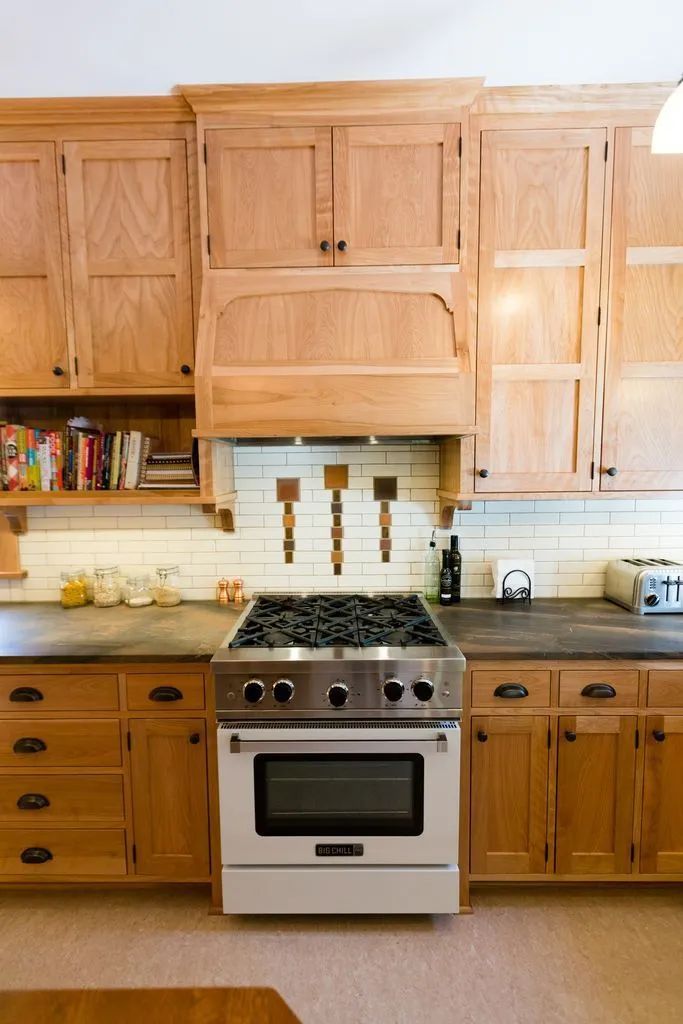
Quick Answer: Eco-friendly cabinet refinishing swaps solvent-heavy strippers and high-VOC lacquers for low-VOC and water-based products that release far fewer airborne chemicals into a home. It also keeps cabinet boxes and doors out of the landfill, since refinishing reuses the wood a homeowner already owns instead of manufacturing and shipping new units. For Twin Cities homeowners, the result is a kitchen that looks refreshed without the lingering odor, off-gassing, or environmental cost of a full cabinet replacement.
A kitchen renovation used to mean a choice between two unappealing options: live with tired, dated cabinets, or tear them out and start over. Somewhere between those two extremes sits refinishing, and the eco-friendly version of it has quietly become the preferred route for homeowners who want a fresh look without the waste, the odor, or the weeks of disruption a full replacement brings.
The shift toward greener refinishing isn't a marketing trend. It reflects real changes in how paints, stains, and sealers are formulated, and real data on what solvent-based products do to the air inside a home. Understanding what "eco-friendly" actually means in this context helps homeowners ask better questions before a crew ever sets foot in the kitchen.
What "Eco-Friendly" Actually Means in Cabinet Refinishing
The term gets used loosely, so it helps to define it. In cabinet refinishing, eco-friendly almost always comes down to one measurable factor: volatile organic compounds, or VOCs. These are the chemicals in traditional paints, stains, strippers, and lacquers that evaporate into the air as the product cures, which is why a freshly painted room smells the way it does for days afterward.
Low-VOC and zero-VOC products limit that off-gassing at the source.
Water-based finishes replace petroleum solvents with water as the primary carrier, cutting both the odor and the flammability risk that comes with traditional lacquer.
Sustainable prep methods, like dust containment during sanding and responsible disposal of old finish material, round out the picture. Put together, these choices reduce a project's chemical footprint without asking a homeowner to compromise on how the finished cabinets look or perform.
Why Indoor Air Quality Matters During a Kitchen Project
Most homeowners don't think about air quality until a project makes them notice it. The U.S. Environmental Protection Agency has studied this closely, and its research on indoor air consistently finds that levels of common airborne pollutants run higher inside a home than outside it, largely because products like paints, stains, and solvents release VOCs directly into rooms with limited airflow. The EPA links VOC exposure to symptoms ranging from eye and throat irritation to headaches, and notes that some compounds carry more serious long-term health risks with repeated exposure.
A kitchen is one of the rooms where this matters most. It's a space families use every day, often with young children nearby, and cabinets sit only a few feet from where food gets prepared and eaten. Choosing low-VOC and water-based finishes during a refinishing project keeps that everyday exposure to a minimum, both during the work itself and in the weeks that follow while the finish fully cures.
Refinishing Instead of Replacing: The Bigger Environmental Picture
Air quality is only part of the story. The other half is what happens to the cabinets themselves. A full cabinet replacement means the old boxes, doors, and drawer fronts typically end up in a landfill, while new units require fresh lumber, manufacturing energy, and transportation to reach the home. Industry estimates suggest a typical kitchen's worth of new cabinetry draws on the equivalent of multiple mature trees once the frames, shells, and doors are accounted for.
Refinishing sidesteps most of that impact by working with the wood already installed in the kitchen. The existing cabinet boxes stay in place, the doors and drawers get restored rather than discarded, and the raw materials, fuel, and manufacturing energy that go into producing brand-new cabinets simply aren't needed. For homeowners who like their kitchen's layout but not its finish, this is often the more resource-conscious path, and it happens to produce less job-site debris along the way.
What to Look for in a Low-VOC Finish
Not every product labeled "green" holds up the same way, so it's worth knowing what separates a genuinely low-impact finish from one that just markets itself that way.
Third-Party Certification
Standards bodies like Green Seal evaluate paints, stains, and sealers against strict VOC limits while restricting hazardous chemicals beyond VOCs. Certified products undergo independent verification, giving homeowners greater confidence that environmental and indoor-air-quality claims are supported by recognized testing standards and requirements.
Water-Based Formulations
Modern water-based lacquers and finishes have significantly narrowed the durability gap once associated with solvent-based products. Many are specifically formulated for cabinetry, providing strong resistance against daily handling, moisture, spills, and routine cleaning products while maintaining an attractive, durable surface.
Low Odor And Faster Cure Times
Water-based finishes contain fewer solvents, so they typically produce less odor and off-gassing during application and curing. They can also allow kitchens to return to normal use sooner, making them a practical choice for homeowners seeking a cleaner, more convenient refinishing process.
Benefits Homeowners Notice After an Eco-Friendly Refinish
A Healthier Kitchen, Sooner
Lower VOC content means less lingering odor and reduced off-gassing after refinishing. That can shorten the period before your kitchen feels comfortable and fully usable again, helping homeowners resume normal routines sooner without dealing with strong, persistent chemical smells indoors.
Durability That Holds Up To Daily Use
Today's water-based cabinet finishes are designed for real kitchen conditions, resisting everyday scuffs, grease, moisture, fingerprints, and routine cleaning. They provide durable protection that continues performing long after the project ends, helping refinished cabinets maintain their appearance through regular household use.
Less Waste Sent To A Landfill
Reusing existing cabinet boxes and doors keeps functional materials out of the waste stream. Refinishing gives those components a renewed appearance instead of replacing them unnecessarily, reducing discarded materials while allowing homeowners to update their kitchen without a complete cabinet replacement.
A Kitchen That Still Feels Like Home
Refinishing preserves the existing cabinet layout, door style, and overall character homeowners already know. It refreshes worn finishes while keeping familiar details intact, creating an updated appearance without completely changing the kitchen's design, proportions, functionality, or established sense of home.
Homeowners weighing a kitchen refresh don't have to choose between a beautiful result and a responsible one. The two now go hand in hand more often than not.
Frequently Asked Questions
What makes a cabinet finish "low-VOC"?
A low-VOC finish contains a reduced concentration of the solvents that evaporate into the air as paint or stain cures. Water-based formulas achieve this by replacing most petroleum-based solvents with water, which cuts down on both odor and the volume of airborne chemicals released during and after application.
Is eco-friendly cabinet refinishing as durable as traditional finishing?
Modern water-based and low-VOC finishes formulated specifically for cabinetry are built to withstand daily kitchen use, including moisture, grease, and regular cleaning. Manufacturers have closed much of the performance gap that once separated these products from solvent-based lacquers, so durability isn't the trade-off it used to be.
How long does the smell from a cabinet refinishing project last?
Because low-VOC and water-based products off-gas less than traditional solvent-based finishes, most homeowners notice the odor fades faster than it would with conventional lacquer. Proper ventilation during the project and full cure time both play a role in how quickly a kitchen returns to normal.
Does refinishing cabinets actually help the environment compared to replacing them?
Yes. Refinishing reuses the existing cabinet boxes and doors, which keeps that material out of landfills and avoids the raw materials, manufacturing energy, and transportation required to produce brand-new cabinetry. It's one of the more resource-conscious ways to update a kitchen's look.
Can eco-friendly products refinish cabinets in any condition?
Cabinets with sound structure, meaning solid wood or properly bonded surfaces without warping or water damage, are typically excellent candidates for eco-friendly refinishing. A visual assessment of the existing cabinets is the best way to determine whether refinishing or another approach fits the project.
Are low-VOC finishes available in the same range of colors and styles as traditional ones?
Yes. Water-based and low-VOC finishes now come in a wide range of colors, sheens, and stain tones, giving homeowners the same design flexibility they'd expect from traditional products without the added chemical exposure.
A Healthier Kitchen Refresh Twin Cities Homeowners Trust
TLC Remodeling has spent 36 years helping Twin Cities homeowners update their kitchens, and that experience shows in how the Golden Valley, MN team approaches every refinishing project. Eco-friendly practices aren't treated as an add-on service here. They're built into how cabinets get prepped, sanded, refinished, and returned to daily use, so families across Golden Valley and the surrounding suburbs get a finish they can trust around the people who use their kitchen the most, every single day.
A kitchen should feel good to spend time in, not just look good in photos. Choosing low-VOC and water-based products during a refinishing project protects that everyday experience while cutting down on the waste a
full cabinet replacement
would otherwise create. It's a small set of decisions made early in the project that pays off in a kitchen homeowners can enjoy for years, without giving the finish a second thought.
Refinish or Replace? The Real Difference Between Tired Kitchen Cabinets and Failing Kitchen Cabinets